Listen Festival: 24 hours of partying in Brussels stations, with the Listen Express
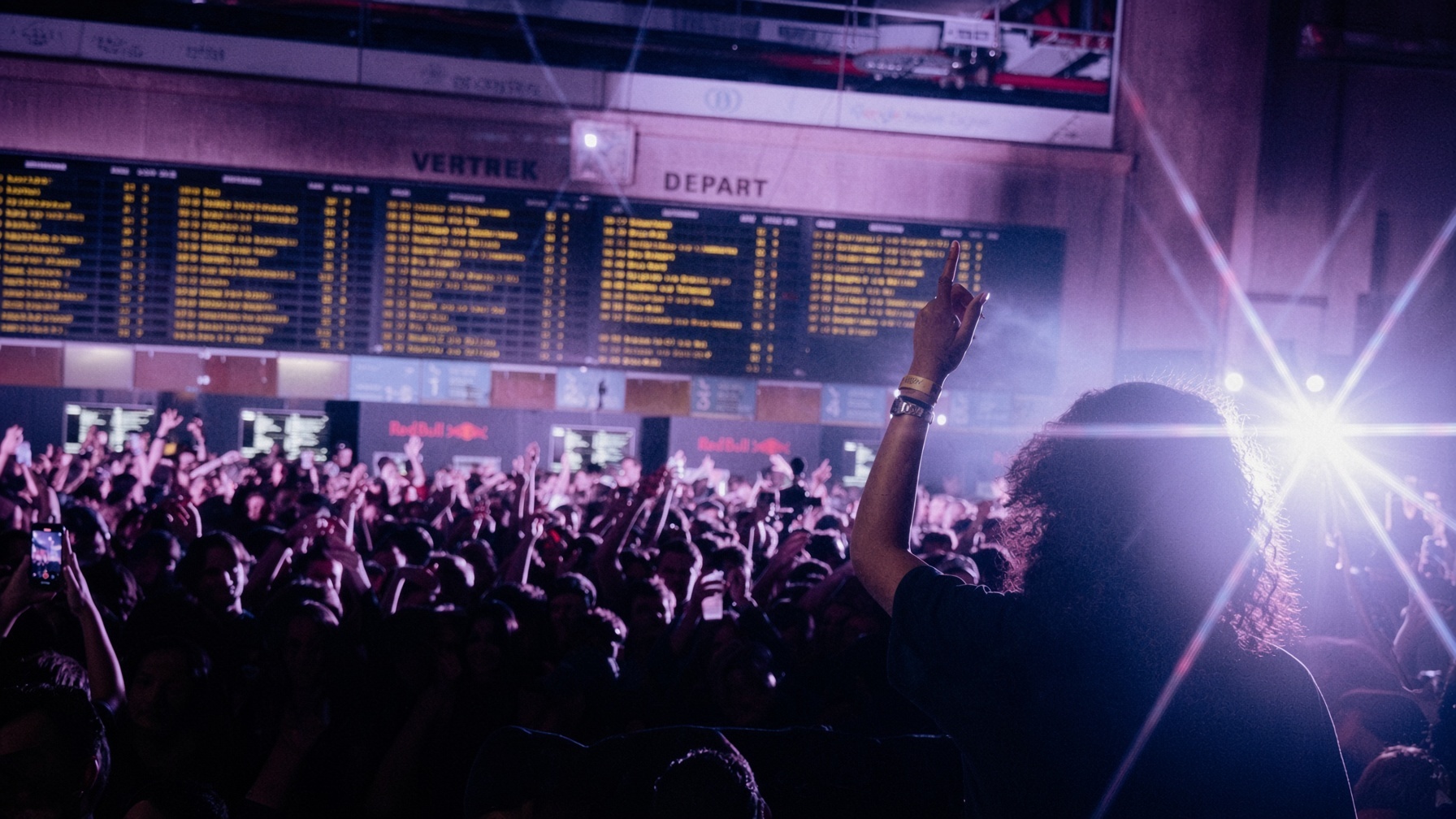
On Saturday, in Brussels, you will be able to change dance floors without leaving the rails. For its tenth anniversary, Listen Festival is transforming the Belgian capital's major train stations into clubs and running a train between them, with one carriage becoming a dance floor. All in an unprecedented format: twenty-four hours of non-stop music, from Saturday, November 21 at 2 p.m. to Sunday at 2 p.m., across fifteen venues accessible with a single ticket.
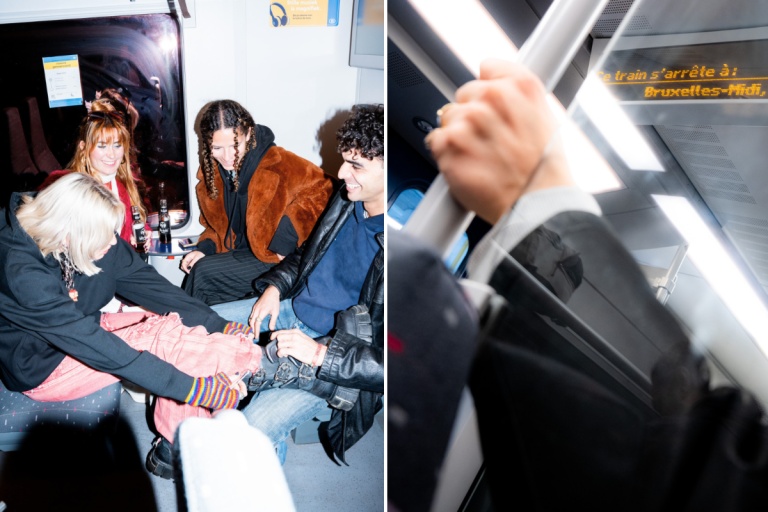
The train has a name: the Listen Express. It will run from midnight to 5 a.m. between Bruxelles-Nord, Bruxelles-Central, and Bruxelles-Midi—the few kilometers of the junction crossing the city center. On board, a bar, a sound system, and three local DJs: O’Simmie, LOV, and Vera Moro. Access is included in the festival pass. The carriage's capacity has not been disclosed, suggesting it might be wise not to show up on the platform at the last minute.
The idea doesn't come out of nowhere. The festival has partnered with SNCB, the Belgian railway company, which is celebrating its centennial this year. Four railway sites thus switch to night mode. The recently renovated concourse of Gare du Nord welcomes international headliners, Canadian Tiga and American Avalon Emerson. At Gare Centrale, a single DJ, Kirollus, mans the decks all night long. Gare du Congrès, a 1950s modernist building, is handed over to Brussels artists. And beneath Gare du Midi, Quadrilatères opens at 4 p.m. for a bass-heavy night featuring Mala, Dillinja, and a back-to-back between Kode9 and Tim Reaper.
Around the stations, usual night spots in Brussels complete the route. Fuse, open since 1994, C12, and BLUR—which stays open until Sunday at 2 p.m.—handle the club portion. On Saturday afternoon, five record shops in the city center kick off the festivities with in-store DJ sets. In theory, you can start digging through vinyl bins, cross the city by train in the middle of the night, and finish the next day at noon without having seen daylight.
What sets Listen apart from autumn's major electronic gatherings is precisely this way of using the city rather than a closed venue. The festival was born in 2016 from a simple observation: Brussels had no urban event dedicated to alternative electronic music at the time. Ten years later, more than half of the lineup still consists of local artists, according to the official ticketing platform, with international guests serving more as an entry point than the main raison d'être.